Sciatica - A Chinese Medicine Perspective
Author: Dr Danny T. Siegenthaler
Chinese Medicine Practitioner – MSc. (TCM), BSc. (Hons.), DTCM; DAc (Aust/China)
TCM Pattern Differentiation: Understanding the Individual Behind the Symptoms
One of the fundamental differences between Traditional Chinese Medicine (TCM) and a conventional symptom-based approach is that TCM does not assume that everyone with the same diagnosis will have the same underlying pattern. Sciatica from a TCM perspective utilises pattern differentiation to identify the underlying energistic cause of the pain
Two people may both experience lower back pain, for example, yet the nature of their pain, their general health, their response to movement and temperature, and their other symptoms may be quite different. From a TCM perspective, these differences can indicate different underlying patterns and therefore call for different treatment strategies.
This process is known as pattern differentiation (辨证论治, biàn zhèng lùn zhì) and is central to the way a TCM practitioner develops an individualised treatment plan.
What is a TCM pattern?
A TCM pattern is a clinically meaningful combination of signs and symptoms that reflects how the practitioner understands the person’s current state of health.
A pattern is not the same thing as a Western medical diagnosis. Rather than simply asking, “What disease does this person have?”, TCM asks questions such as:
What is happening in the body?
Where is it happening?
What is contributing to it?
What factors make it better or worse?
Is the condition associated with excess or deficiency?
Is there evidence of cold, heat, dampness, stagnation or deficiency?
What does the person’s overall constitution tell us?
The resulting pattern helps guide the choice of acupuncture points, Chinese herbal medicine, moxibustion and other TCM therapies.
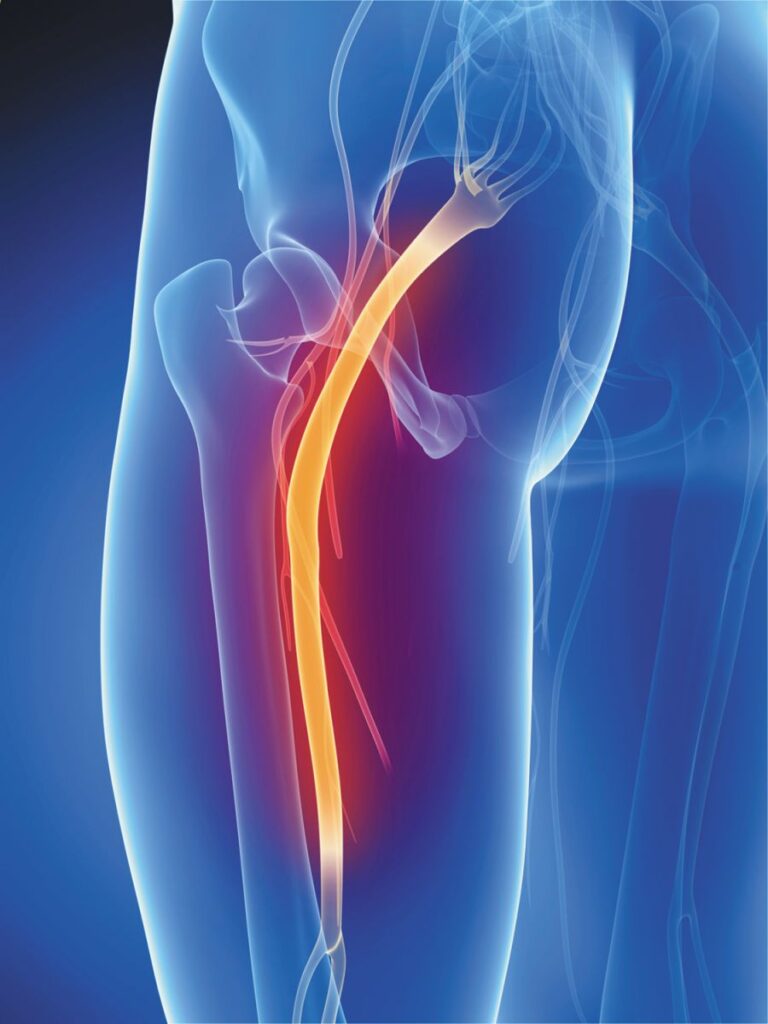
One of the fundamental differences between Traditional Chinese Medicine (TCM) and a conventional symptom-based approach is that TCM does not assume that everyone with the same diagnosis will have the same underlying pattern.
Two people may both experience lower back pain, for example, yet the nature of their pain, their general health, their response to movement and temperature, and their other symptoms may be quite different. From a TCM perspective, these differences can indicate different underlying patterns and therefore call for different treatment strategies.
This process is known as pattern differentiation (辨证论治, biàn zhèng lùn zhì) and is central to the way a TCM practitioner develops an individualised treatment plan.
Common TCM Patterns
Patterns are not rigid categories, and a person may have more than one pattern at the same time. Nevertheless, certain patterns are commonly encountered in clinical practice.
Qi and Blood Stagnation
In TCM, Qi refers broadly to the functional activity and movement of the body, while Blood has a specific meaning within the TCM system.
When Qi or Blood does not circulate freely, TCM describes this as stagnation.
Pain associated with stagnation is often described as fixed, sharp, stabbing or localised. The symptoms may become worse when circulation is impaired and may sometimes be associated with areas of tenderness or tension.
From a TCM perspective, treatment may therefore focus on promoting the movement of Qi and Blood and addressing whatever has contributed to the stagnation.
Cold-Damp
Cold and Dampness are TCM concepts used to describe particular patterns of symptoms rather than simply referring to the weather or humidity.
A Cold-Damp presentation may involve sensations of heaviness, stiffness, aching or discomfort that can be aggravated by cold or damp conditions. There may also be a feeling that the affected area is difficult to warm or loosen.
A practitioner may consider warming and moving the affected area, improving the circulation of Qi and Blood and transforming Dampness as part of the treatment strategy.
Moxibustion can be particularly relevant when a pattern has a significant Cold component.
Kidney Deficiency
Within TCM, the Kidney system has a much broader meaning than the anatomical kidneys recognised in Western medicine. It is associated with concepts including constitutional strength, development, reproduction and the body’s reserves.
Kidney deficiency is one of the patterns a TCM practitioner may consider in people with persistent or recurrent lower back or musculoskeletal problems, particularly when symptoms occur alongside signs of reduced vitality, weakness or age-related changes.
Kidney deficiency itself can be further differentiated. For example, a practitioner may distinguish between Kidney Qi, Kidney Yang and Kidney Yin deficiency according to the person’s broader presentation.
The treatment approach therefore depends on the particular pattern rather than simply applying a generic “Kidney treatment”.
Liver Qi Stagnation
The Liver in TCM is also a functional system within the TCM model and should not be equated directly with the anatomical liver.
Liver Qi stagnation is commonly associated with impaired movement of Qi and may be considered when physical symptoms occur alongside tension, irritability, emotional constraint or symptoms that fluctuate with stress.
This pattern can be relevant because emotional and physical factors are not viewed as completely separate in TCM. Stress and emotional tension may influence the movement of Qi, while persistent physical discomfort can itself contribute to tension and distress.
Treatment may therefore aim not only to address the immediate physical complaint but also to restore a more harmonious movement of Qi.
Combinations of Patterns
In clinical practice, people rarely fit neatly into one category.
For example, someone with chronic lower back pain might present with:
Kidney deficiency + Qi and Blood stagnation
The underlying deficiency may be viewed as contributing to weakness and vulnerability, while stagnation may help explain the person’s more immediate pain.
Another person might present with:
Cold-Damp + Qi stagnation
Their symptoms might be characterised by heaviness and stiffness, aggravated by cold or damp conditions, together with restricted movement of Qi.
A different person might have:
Liver Qi stagnation + Blood stagnation
In this situation, stress-related tension and impaired movement of Qi may coexist with more localised or persistent pain.
These combinations illustrate why TCM treatment is not simply a matter of finding a point or herb traditionally associated with a particular symptom.
The TCM Diagnostic Process
Pattern differentiation begins with a detailed assessment.
A TCM practitioner considers the presenting complaint, but also looks beyond it to understand the person’s overall pattern.
Pain quality
The character of pain can provide important information.
A practitioner may ask whether pain is:
sharp or stabbing
dull or aching
heavy
burning
cramping
distending
fixed or moving
intermittent or constant
superficial or deep
The quality of the pain is considered alongside the other signs rather than being interpreted in isolation.
Location
Where symptoms occur can also be significant.
The practitioner may consider whether pain is:
central or lateral
superficial or deep
located along a particular TCM channel
localised or diffuse
associated with another area of the body
The distribution of symptoms can help the practitioner determine which channels, organs or patterns may be involved within the TCM diagnostic framework.
Aggravating and relieving factors
The practitioner will often ask what makes the symptoms better or worse.
For example:
Does rest help?
Does movement help or aggravate the problem?
Is the condition worse after prolonged sitting?
Does warmth relieve the discomfort?
Does cold make it worse?
Is it affected by stress?
Is it worse at a particular time of day?
Does pressure help or make the pain worse?
These seemingly small details can be highly informative when building a TCM pattern.
Temperature
Sensitivity to cold or heat is another important part of the assessment.
A person who feels cold, seeks warmth and experiences symptoms that improve with heat may present quite differently from someone who feels hot, experiences burning sensations or prefers cooler conditions.
TCM therefore considers temperature both locally and as part of the person’s broader constitutional picture.
Movement
Movement can provide another useful diagnostic clue.
The practitioner may assess whether symptoms improve with gentle movement or become worse with activity. They may also consider stiffness, range of movement and whether symptoms change according to posture or physical exertion.
For some patterns, movement may help Qi and Blood circulate. In other situations, movement or exertion may aggravate an underlying deficiency.
Tongue examination
Tongue diagnosis is one of the distinctive assessment methods used in TCM.
The practitioner observes characteristics such as:
colour
shape
size
moisture
coating
cracks
markings
changes in different regions of the tongue
The tongue is considered together with the person’s symptoms and other examination findings. It is not interpreted as a stand-alone diagnostic test.
Pulse examination
TCM practitioners may also assess the pulse at different positions on both wrists.
Rather than simply measuring the heart rate, traditional pulse diagnosis considers qualities such as the depth, strength, rhythm and character of the pulse.
Pulse findings can provide additional information that is integrated with the history, tongue examination and other observations.
Broader constitutional factors
Perhaps most importantly, TCM considers the person as a whole.
The practitioner may ask about:
sleep
digestion
appetite
bowel function
energy
thirst
emotional wellbeing
menstrual health where relevant
temperature preferences
previous illnesses
medications
lifestyle
work and physical activity
stress
general constitution
This broader assessment helps explain why two people with apparently similar symptoms may receive very different TCM treatments.
Treatment Modalities
Once a TCM practitioner has identified the relevant pattern or combination of patterns, treatment is selected according to the individual presentation.
The objective is not simply to treat the symptom in isolation, but to address the underlying pattern while also providing appropriate relief and support for the person’s presenting concerns.
Acupuncture
Using acupuncture for sciatica involves the insertion of very fine needles at carefully selected points on the body.
Point selection is based on the individual’s TCM diagnosis, rather than simply choosing points associated with a particular symptom.
For example, two people with back pain may receive different acupuncture treatments because their underlying TCM patterns differ.
Acupuncture treatment may be directed towards moving Qi and Blood, addressing areas of pain and tension, supporting deficient systems, or regulating the person’s overall pattern.
Chinese Herbal Medicine
Chinese herbal medicine provides another important way of treating TCM patterns.
A practitioner may prescribe a traditional herbal formula and modify it according to the individual’s presentation. Herbal treatment can therefore be highly individualised.
Rather than thinking of Chinese herbal medicine as a collection of herbs for particular symptoms, it is more useful to understand it as a system of formulas designed to address specific patterns.
Chinese herbal medicine should be prescribed by a suitably qualified practitioner, particularly because herbs can interact with medicines and may not be appropriate for everyone.
Moxibustion
Moxibustion involves the application of gentle heat, traditionally using prepared Artemisia (mugwort), at or around selected acupuncture points.
Within TCM, moxibustion is particularly associated with warming and supporting Yang, dispelling Cold and promoting the movement of Qi and Blood.
It may therefore be considered when a person’s pattern has an appropriate Cold or deficiency component.
Moxibustion is not appropriate for every person or every condition, so its use depends on the individual assessment.
Cupping
Cupping involves placing cups on selected areas of the body to create a localised vacuum.
It may be used as an adjunct to acupuncture or as part of a broader TCM treatment approach, particularly where muscular tension, stiffness or local discomfort is present.
Cupping commonly produces temporary circular marks on the skin. These are not generally bruises in the conventional sense, although they can resemble bruising and may persist for several days.
As with other TCM therapies, cupping is selected according to the individual’s presentation rather than being automatically applied to every painful area.
Broader TCM Treatment Principles
The real strength of TCM lies not in any single treatment modality, but in the way different therapies can be combined according to an individual pattern.
A treatment may therefore involve:
Acupuncture + moxibustion: when there is a combination of pain, deficiency and Cold.
Acupuncture + Chinese herbal medicine: when ongoing treatment requires both a local and systemic approach.
Acupuncture + cupping: when muscular tension, stiffness or local stagnation is an important component of the presentation.
Or a combination of several approaches may be used when multiple patterns are present.
Treatment may also incorporate broader lifestyle and self-care principles drawn from TCM, including appropriate movement, rest, dietary considerations and practices such as Tai Chi or Qi Gong.
The emphasis is on finding the appropriate treatment strategy for the individual rather than applying the same protocol to everyone with the same complaint.
TCM Is Individualised Medicine
This is perhaps the most important principle to understand about TCM.
A symptom does not automatically determine a treatment.
The pattern determines the treatment.
The same symptom may arise from different underlying patterns, while different symptoms may sometimes arise from the same underlying pattern. The practitioner’s role is to identify those relationships through a detailed assessment and then select an appropriate treatment strategy.
This is why a TCM consultation can involve considerably more than discussing the immediate complaint. The practitioner is building a picture of the person’s health as a whole.
At Kurrajong Natural Medicine Centre, we use this traditional diagnostic framework to develop individualised treatment plans incorporating acupuncture, Chinese herbal medicine, moxibustion, cupping and other appropriate TCM approaches.
The aim is to understand why the person is experiencing their symptoms, not simply to treat the symptom itself.
What You Can Do to Help Yourself
You may download the “Self-Help Guide to Reduce Back Pain and Increase Your Enjoyment of Life” by Dr Danny T. Siegenthaler (Traditional Chinese Medicine Practitioner)” HERE
Some self-help strategies that may be of benefit:
Rest and gentle movement: Avoid excessive or strenuous activities that exacerbate your symptoms, but also try to avoid prolonged bed rest. Engage in gentle exercises and movements, such as walking or swimming, to promote blood flow and reduce stiffness.
Hot and cold therapy: Apply a cold pack to the affected area for 20 minutes several times a day during the initial acute stage to reduce inflammation. After a couple of days, you can switch to using a heating pad or taking warm baths to relax the muscles and promote healing.
Proper posture and body mechanics: Pay attention to your posture, especially when sitting or standing for prolonged periods. Use ergonomic chairs or lumbar supports to maintain a neutral spine position. When lifting heavy objects, remember to bend your knees and use your leg muscles instead of your back.
Exercise and stretching: Engage in regular low-impact exercises and stretches to strengthen the muscles supporting your spine. Focus on exercises that promote core strength, such as Pilates or yoga. Additionally, specific stretches targeting the hamstrings, piriformis, and lower back may help alleviate sciatic pain.
Pain medication and topical treatments: Over-the-counter pain relievers, such as nonsteroidal anti-inflammatory drugs (NSAIDs), can help reduce pain and inflammation. Topical treatments like creams or patches containing capsaicin or menthol may provide temporary relief when applied to the affected area.
Weight management: Excess weight can put additional strain on your spine, potentially exacerbating sciatica. Maintaining a healthy weight through a balanced diet and regular exercise can help alleviate symptoms.
Stress management and relaxation techniques: Chronic pain can be mentally and emotionally challenging. Engaging in stress management techniques like deep breathing, meditation, or mindfulness exercises may help reduce tension and improve your overall well-being.
Remember, these self-help strategies may provide temporary relief, but they might not address the underlying cause of your sciatica. If your symptoms persist or worsen, it’s essential to seek professional medical advice for a proper diagnosis and treatment plan.
Written and reviewed by Dr Danny T. Siegenthaler, Chinese Medicine Practitioner – MSc. (TCM), BSc. (Hons.), DTCM; DAc (Aust/China)
AHPRA Registration Number: CMR0001712202; Member of ATMS No. 23926
Disclaimer
Disclaimer information for users of the Kurrajong Natural Medicine Centre, Namaste Yoga Kurrajong and The Herbal Health Coach website.
Page last updated: 27th Aug. 2026
Information provided for education and research information only
The information on this website is presented by Kurrajong Natural Medicine Centre for the purpose of disseminating health information free of charge for the benefit of the public.
While Kurrajong Natural Medicine Centre has exercised due care in ensuring the accuracy of the material contained on this website, the information on the site is made available on the basis that Kurrajong Natural Medicine Centre is not providing professional advice on a particular matter.
This website is not a substitute for independent professional advice. Nothing contained in this site is intended to be used as medical advice and it is not intended to be used to diagnose, treat, cure or prevent any disease, nor should it be used for therapeutic purposes or as a substitute for your own health professional’s advice.
Kurrajong Natural Medicine Centre does not accept any liability for any injury, loss or damage incurred by use of or reliance on the information provided on this website.
Quality of information
Kurrajong Natural Medicine Centre makes every effort to ensure the quality of the information available on this website and updates the information regularly. Before relying on the information on this site, however, users should carefully evaluate its accuracy, currency, completeness and relevance for their purposes, and should obtain any appropriate professional advice relevant to their particular circumstances. Kurrajong Natural Medicine Centre cannot guarantee and assumes no legal liability or responsibility for the accuracy, currency, completeness or interpretation of the information.
The material may include the views or recommendations of third parties and does not necessarily reflect the views of Kurrajong Natural Medicine Centre or indicate a commitment to a particular course of action.
Links to other websites
This website contains links to other websites which are external to Kurrajong Natural Medicine Centre. Kurrajong Natural Medicine Centre takes reasonable care in selecting linking websites but Kurrajong Natural Medicine Centre accepts no responsibility for material contained in a website that is linked to this site. It is the responsibility of the user to make their own decisions about the accuracy, currency, reliability and correctness of information contained in linked external websites.
Links to external websites are provided for the user’s convenience and do not constitute an endorsement or a recommendation of any third party products or services offered by virtue of any information, material or content linked from or to this site. Users of links provided by this site are responsible for being aware of which organisation is hosting the site they visit.
Views or recommendations provided in linked sites may include the views or recommendations of third parties and do not necessarily reflect those of Kurrajong Natural Medicine Centre or indicate a commitment to a particular course of action. .