Kurrajong Natural Medicine Centre

We Take Care of Your Health Naturally, Using Traditional Chinese Medicine, Acupuncture and Western Herbal Medicine, Diet and Body Therapies.

Kurrajong Natural Medicine Centre Logo
For Face-to-Face or Telehealth Appointments, Please Call: 0492 814 971  or (02) 45730784 

The Health & Wellness Magazine - Winter 2025 Year Issue

Content of The Health & Wellness Magazine - Winter 2025

Benefits of Using TCM for Menopaue

by Danny Siegenthaler

Traditional Chinese Medicine (TCM) offers a holistic approach to managing the various stages of menopause, including pre-menopause, perimenopause, menopause, and post-menopause. It views this transition not as a disease, but as a natural process that can be navigated smoothly by restoring balance within the body. The core principle of TCM is to address the underlying imbalances of Qi (vital energy), Blood, Yin, and Yang, particularly focusing on the Kidney system, which is considered central to reproductive health and aging.

Let’s look at the benefits of TCM across the menopausal stages:

Pre-Menopause:

  • Hormonal Balance: TCM aims to regulate hormones and support the body’s natural rhythms even before overt menopausal symptoms appear. This can involve lifestyle advice, dietary therapy, and sometimes gentle herbal remedies or acupuncture to strengthen the Kidney and Liver systems, which are crucial for hormonal regulation and smooth Qi flow.
  • Preventative Care: By addressing subtle imbalances early on, TCM may help in delaying the onset of more pronounced menopausal symptoms and promoting overall well-being leading into the transition.
  • Stress Reduction: Techniques like acupuncture and Qigong can help manage stress, which can exacerbate hormonal fluctuations.
Image of the Stages of Menopause

Perimenopause:

This stage is often characterised by a wide range of fluctuating symptoms as the body’s hormone levels begin to change more significantly. TCM offers individualised treatments to address these specific concerns:

  • Regulating Menstrual Cycles: TCM can help manage irregular periods, heavy bleeding, or other menstrual changes common in perimenopause by nourishing Blood, regulating Qi, and balancing Yin and Yang.
  • Alleviating Hot Flashes and Night Sweats: Acupuncture and specific herbal formulas are widely used to reduce the frequency and intensity of vasomotor symptoms by clearing “deficiency heat” and nourishing Yin.
  • Improving Sleep Quality: TCM addresses insomnia and sleep disturbances by calming the Shen (mind/spirit), nourishing Heart Yin and Blood, and resolving any underlying imbalances like Liver Qi Stagnation or Kidney Yin Deficiency that may contribute to restlessness.
  • Balancing Mood Swings and Reducing Anxiety: Acupuncture and herbal remedies can help soothe the Liver Qi, which, when stagnant or overactive, is often linked to irritability, anxiety, and mood swings.
  • Boosting Energy and Combating Fatigue: TCM aims to strengthen the Spleen and Kidney systems, which are responsible for energy production and vitality, thereby alleviating fatigue.
  • Addressing Other Symptoms: TCM can also help with other perimenopausal issues like headaches, migraines, memory changes, and digestive disturbances through a tailored approach.
Info Graphic of Symptoms associated with Menopause

Menopause (Cessation of Menstruation):

As menstruation ceases, TCM continues to focus on supporting the body’s adaptation to lower estrogen levels.

  • Continued Symptom Management: Many of the therapies used in perimenopause, such as acupuncture and herbal medicine for hot flashes, night sweats, sleep issues, and mood changes, remain beneficial.
  • Nourishing Yin and Essence (Jing): TCM emphasises the importance of preserving and nourishing Kidney Yin and Jing (essence), which are believed to decline with age and contribute to menopausal symptoms like vaginal dryness, dry skin, and joint pain.
  • Supporting Bone Health: While not a primary treatment for osteoporosis, TCM can play a supportive role through dietary advice, specific exercises like Tai Chi and Qigong, and herbal formulas that aim to strengthen the Kidneys, which are linked to bone health in TCM theory.
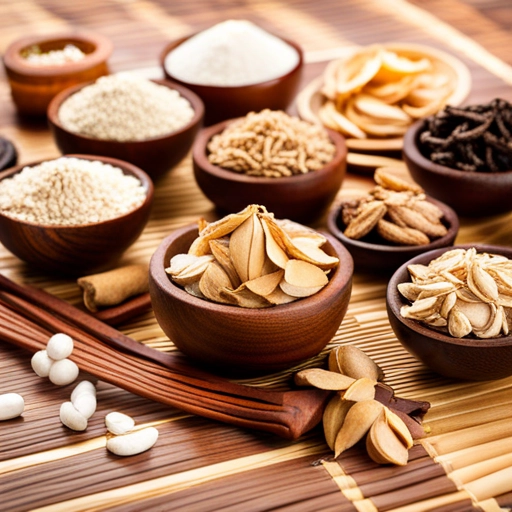
TCM-Traditional Chinese Medicine.webp

Post-Menopause:

In the years following menopause, TCM focuses on maintaining long-term health and well-being.

  • Sustaining Balance: Continued use of TCM principles, including appropriate diet, lifestyle, and occasional acupuncture or herbal support, can help maintain the body’s equilibrium and prevent the recurrence or worsening of menopausal symptoms.
  • Addressing Long-Term Health Concerns: TCM can be used to address ongoing concerns such as vaginal dryness, changes in libido, continued sleep disturbances, osteoporosis or emotional well-being, etc.
  • Promoting Healthy Aging: By focusing on strengthening the body’s vital substances (Qi, Blood, Yin, Yang, Jing) and ensuring the smooth flow of Qi, TCM aims to promote vitality and healthy aging beyond the menopausal transition.

Common TCM Modalities Used:

  • Acupuncture: Involves inserting fine needles into specific points on the body to regulate Qi flow, balance hormones, reduce stress, and alleviate various symptoms.
  • Chinese Herbal Medicine: Uses customised formulas of herbs to address individual patterns of imbalance, nourish deficiencies, clear excesses, and harmonise bodily functions.
  • Dietary Therapy: Emphasises consuming foods that support hormonal balance, nourish Yin, and strengthen the Kidneys and other relevant organ systems. This often includes avoiding or limiting foods that can exacerbate symptoms (e.g., spicy foods, caffeine, alcohol).
  • Moxibustion: Involves burning dried mugwort near acupuncture points to warm and invigorate the flow of Qi and Blood, particularly useful for “cold” patterns or Yang deficiency.
  • Tuina Massage and Cupping: These bodywork therapies can help to relieve muscle tension, improve circulation, and reduce stress.
  • Qigong and Tai Chi: Mind-body practices that involve gentle movements, breathing techniques, and meditation to cultivate Qi, reduce stress, and improve overall balance and well-being.

Important Considerations:

  • Individualised Treatment: A key strength of TCM is its personalised approach. Practitioners diagnose an individual’s specific pattern of imbalance and tailor treatments accordingly. What works for one woman may not be suitable for another.
  • Qualified Practitioner: It is crucial to seek treatment from a qualified and registered TCM practitioner.
  • Complementary Approach: TCM can be used as a standalone therapy or as a complement to conventional Western medical treatments, including Hormone Replacement Therapy (HRT). It’s important to inform all healthcare providers about any treatments being received.
  • Time and Consistency: TCM treatments often require a course of sessions and consistent adherence to herbal formulas or lifestyle recommendations to achieve optimal results.

Traditional Chinese Medicine offers a comprehensive and individualised system of care that can provide significant benefits for women navigating the various stages of menopause by addressing the root causes of symptoms and promoting overall health and well-being.

Here Are Some Of Our Most Popular Products

Healing Cream

Wildcrafted's Healing Cream
Treats minor skin injuries, cuts and bruises

Read more...
Arnica Cream

Wildcrafted's Arnica Cream

Helps to rapidly clear bruising and swelling

Read more...
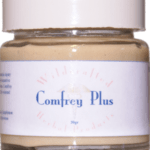
Wildcrafted's Comfrey Plus Cream

Wildcrafted's Comfrey Plus Cream

Treats traumatic injury to nerves, joints, bone, muscles and more

Read more...

Seasonal Effects on Your Skin Type

by Danny & Susan Siegenthaler

Different seasons will affect different skin types in different ways. This article discusses the influences of various climatic factors and how these may affect your particular skin type.

How Do Different Seasons Affect Your Skin?

Unless you live in the tropics where the climate remains relatively constant throughout the year, you will experience seasonal changes and so does your skin. Even the tropics experience a change, namely the wet season (summer) and the dry season (winter). So let’s start with these two.

In Summer, the temperature is generally higher than in winter and we often resort to cooling the environment around us by the use of air conditioning or at least using fans to circulate air which helps to cool us off a little.

In the case of fans, the circulating air helps to evaporate water (perspiration) off our skin and in so during, the skin is cooled and this helps to cool the body. The loss of water through perspiration has a dehydrating effect on our skin unless we drink increased amounts of water and other re-hydrating fluids.

Similarly, air conditioning moves / circulates air, which has the same effect as the fans, but in addition, an air conditioner removes (some) water from the air and cools the air at the same time, creating a dryer, cooler environment in the air conditioned space.

Graphic illustration of the 4 seasons

An other factor of consideration is that heat tends to cause opening of the skin’s pores. This in turn allows for increased sebum secretion (oil secretion) and thus our skin can get a little more oily than usual. As a consequence, the stale oil on the skin combined with environmental dust and other pollutants can lead to blocked pores and result in black heads or acne pimples.

So what does that mean to our skin?

Well, for starters the drying effect from fans and air conditioning needs to be addressed. Make sure you increase your hydrating fluid intake during summer. What I mean by ‘hydrating fluid’ is water, herbal teas which are not diuretic such as peppermint or other mint type herbs, fruit juices, and smoothies (ice blended with various fruit and a little yogurt).

In addition, your skin care regime needs to include facial/body masks as well as exfoliation using a good, natural exfoliant. This does two things.

   1. The exfoliant keeps the dead skin cell layer to a minimum, thus the heat exchange between your blood (body) and the surrounding air is efficient and cooling is more easily achieved.

   2. The masks will help to keep pores clean and help in their functions of secreting fluid which is then evaporated from your skin to keep you cool.

Rose Day CreamKeeping your skin clean is the first step. The second part to keeping your skin hydrated is to use your moisturiser a bit more often. Moisturising your skin 3 maybe even 4 or more times a day will help to keep it hydrated and in addition provide protection from the environment (at least to some extent).

If your skin type changes from normal to oily during summer, then you should also change your skin care system to treat oily skin, rather than using the system for normal skin. It is important to remember that with the changing of the seasons, your activity levels may change together with the types of foods you eat and the fluids you drink. They all contribute to your internal environment and this is reflected by your skin.

Remember your skin is a living, breathing organ that adapts to the environment and therefore you need to adapt your skin care approach accordingly.

The other seasonal extreme is Winter. In winter, the air is generally cooler – in some parts of the world it is freezing and thus our skin reacts just as it does in summer to the change in climate.

Unlike summer, during winter we tend to ad heat to our physical environment and like air conditioning, heating too dries the air reducing its moisture content. It is a principle of physics that if you are in a dry environment, your body will loose moisture to the dry environment. Hydration is therefore very important and necessary to stop your skin from becoming dry.

Dry and cracked lips are classic symptoms of dehydration that often appear during late Autumn and Winter. But the drying of the skin goes beyond the lips. Just like in Summer, your skin needs the right skin care regime to keep it moist and hydrated.

While in Summer normal skin may become slightly oily, in Winter normal skin will tend to become dry and in some people even increase in sensitivity. This is because the cold air will tend to close the pores rather than open them as happens during summer. So the bodies natural oils are not being secreted onto the skin and thus the natural oils that protect the skin are reduced and the skin will be more vulnerable.

Again it becomes necessary to increase the frequency of applying your moisturising cream and drink warming, hydrating fluids. You may want to consider using a nourishing night cream during this time, if you don’t already use one.

Drinking 2 litres of water a day is necessary to prevent dehydration

People suffering from Eczema/Dermatitis, which gets worse in Winter, need to pay particular attention to their fluid intake. I know from personal experience, that if I do not drink enough water, my skin soon lets me know and becomes very dry, itchy and irritated.

It easy to forget to drink water and other hydrating fluids during winter, because the temperatures are lower and the heat of summer which tends to make one want to drink cooling drinks is not there to remind us.

For people with oily skin types, Winter is often a ‘good time’, because the cold climate causes the skin’s pores to close and thus less sebum is secreted. Similarly, people with dry skin types tend to have a reprieve in summer when pores open and secrete more oils that lubricate the otherwise dry skin.

Again it is important for either scenario to adapt the skin care regime to the changes in the skin. So if you have ‘normal’ skin in winter (oily skin types), than use a skin care system suitable for normal skin. Conversely, if you have a normal skin type in Summer (dry skin types), than change the skin care system to suit. Your skin changes with the seasons and therefore so should your skin care system.

Often the ‘normal skin type’ or ‘true skin type’ is most obvious during the mid-Autumn/mid-Spring seasons. These seasons are usually mild, representing an ‘average’ of the seasonal extremes. It is then that your true skin type(s) is most easily determined.

I’ll give you an example. Most of the year round, my skin type is generally normal to dry from the neck down. My face has a tendency to a slightly oily T-Zone, while the lower half of my face and cheeks are slightly on the dry side and my neck is normal.

In summer, my T-Zone gets oilier and the rest of my body’s skin stays mostly normal, maybe with a slight tendency to dryness. In Winter, my oily T-Zone becomes normal, the rest of my face stays normal to dry, but my lower legs become very dry unless I stay on top of it and make sure I drink enough fluids and use plenty of moisturising cream.

Young Woman

Remember that most people have several skin types over their body and especially on their face. It is more common to see two skin types, as illustrated in the example above, than just one uniform skin type.

As I mentioned, mid-Spring and mid-Autumn are like the average of Summer and Winter and often during this time, your ‘true’ skin type is revealed. However you need to be aware that even during these two seasons your skin type may change as either Winter or Summer gets closer.

So get to know your skin and how it reacts to the changing seasons; adapt your skin care system and make sure you use natural skin care products to ensure you do not introduce potentially toxic chemicals into your body.

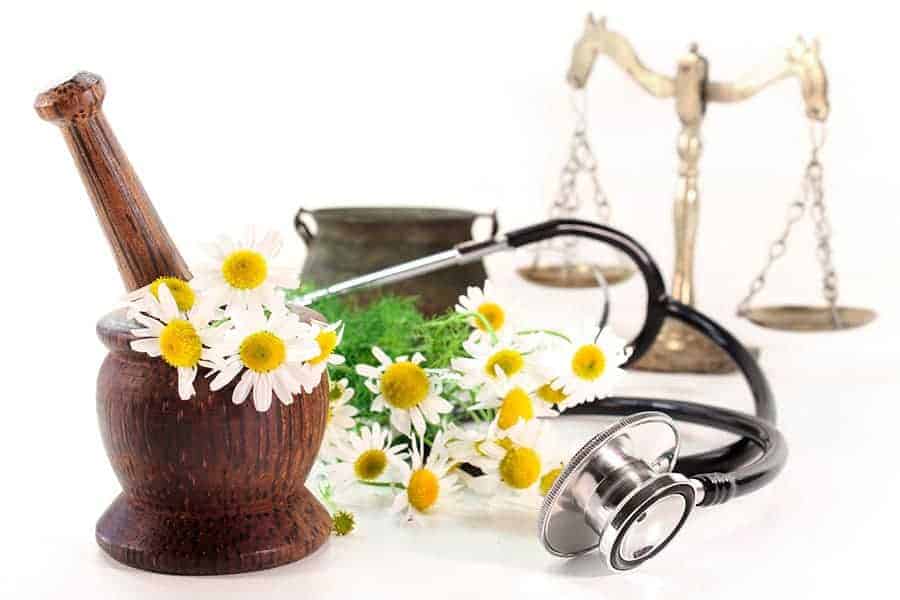
Why the Natural Approach to Health and Wellbeing Excels Over Conventional Medicine

Introduction

In recent decades, the debate between natural health approaches and conventional medicine has intensified. While both aim to promote health and treat ailments, they differ significantly in their philosophies, methodologies, and outcomes. This article explores why the natural approach to health and wellbeing often offers distinct advantages over conventional medical practices.

1. Philosophy and Approach

Natural health emphasises the body’s innate ability to heal itself through natural remedies, lifestyle modifications, and holistic practices. Contrastingly, conventional medicine focuses on treating symptoms with pharmaceuticals and surgical interventions.

2. Holistic Treatment vs. Symptom Management

Natural health practices often take a holistic view of health, addressing the root causes of illness rather than just managing symptoms. This approach may lead to long-term health improvements and reduced dependency on medications.

3. Prevention and Lifestyle Modification

Natural health emphasises preventive measures such as healthy diet, exercise, stress management, and adequate sleep. These lifestyle modifications can prevent chronic diseases and enhance overall wellbeing, which may not be the primary focus of conventional medicine.

Natural vs Conventional Medicine

4. Minimising Side Effects

Natural remedies typically have fewer side effects compared to pharmaceutical drugs, which can cause adverse reactions and long-term health issues. This aspect makes natural approaches safer for long-term use in many cases.

5. Personalised Medicine

Natural health practitioners often tailor treatments to individual needs, considering factors like genetics, environment, and lifestyle. This personalised approach can lead to more effective outcomes and patient satisfaction.

6. Sustainability and Environmental Impact

Many natural health practices promote sustainability and have minimal environmental impact compared to pharmaceutical production and medical waste generated by conventional medicine.

cing elit. Ut elit tellus, luctus nec ullamcorper mattis, pulvinar dapibus leo.

Traditional Naturopathy

7. Integrative Medicine

The integration of natural therapies with conventional treatments (integrative medicine) can offer comprehensive care that combines the strengths of both approaches, enhancing patient outcomes.

8. Patient Empowerment

Natural health encourages patients to take an active role in their health through education and self-care practices. This empowerment can lead to better adherence to treatment plans and improved overall health.

Did You Know?

Did You Know?

  • Did you know wearing headphones for just an hour will increase the bacteria in your ear by 700 times
  • Did you know new born babies have 350 bones (by age 5 the amount of bones merges to 206)
  • Did you know you use 72 different muscles while speaking
  • Did you know the most common disease is tooth decay
  • Did you know the average person goes to the toilet 6 times a day
  • Did you know your foot is the most common body part bitten by insects
  • Did you know the longest time a person has been in a coma is 37 years

Did You Know?

  • Did you know each red blood cell lives an average of 4 months and travels between the lungs and other tissue 75,000 times before returning to bone marrow to die
  • Did you know the hardest substance in the human body is enamel
  • Did you know there are over 10 trillion living cells in the human body
  • Did you know the number 1 cause of blindness in the US is diabetes
  • Did you know every year over 98% of atoms in your body are replaced
  • Did you know your blood is 6 times thicker than water
  • Did you know 44% of people have broken a bone

We hope you enjoyed our latest Edition of The Health & Wellness Magazine. We are always open to constructive feedback and ideas for future articles. If you have a particular topic you would like us to cover relating to yoga, alternative medicine, meditation, etc., please let us know and we will include it in an up coming Magazine

Namaste.

Disclaimer
Disclaimer information for users of the Kurrajong Natural Medicine Centre, Namaste Yoga Kurrajong and The Herbal Health Coach website.
Page last updated: 26th June 2023

Information provided for education and research information only
The information on this website is presented by Kurrajong Natural Medicine Centre for the purpose of disseminating health information free of charge for the benefit of the public.

While Kurrajong Natural Medicine Centre has exercised due care in ensuring the accuracy of the material contained on this website, the information on the site is made available on the basis that Kurrajong Natural Medicine Centre is not providing professional advice on a particular matter.

This website is not a substitute for independent professional advice. Nothing contained in this site is intended to be used as medical advice and it is not intended to be used to diagnose, treat, cure or prevent any disease, nor should it be used for therapeutic purposes or as a substitute for your own health professional’s advice.

Kurrajong Natural Medicine Centre does not accept any liability for any injury, loss or damage incurred by use of or reliance on the information provided on this website.

Quality of information
Kurrajong Natural Medicine Centre makes every effort to ensure the quality of the information available on this website and updates the information regularly. Before relying on the information on this site, however, users should carefully evaluate its accuracy, currency, completeness and relevance for their purposes, and should obtain any appropriate professional advice relevant to their particular circumstances. Kurrajong Natural Medicine Centre cannot guarantee and assumes no legal liability or responsibility for the accuracy, currency, completeness or interpretation of the information.

The material may include the views or recommendations of third parties and does not necessarily reflect the views of Kurrajong Natural Medicine Centre or indicate a commitment to a particular course of action.

Links to other websites
This website contains links to other websites which are external to Kurrajong Natural Medicine Centre. Kurrajong Natural Medicine Centre takes reasonable care in selecting linking websites but Kurrajong Natural Medicine Centre accepts no responsibility for material contained in a website that is linked to this site. It is the responsibility of the user to make their own decisions about the accuracy, currency, reliability and correctness of information contained in linked external websites.

Links to external websites are provided for the user’s convenience and do not constitute an endorsement or a recommendation of any third party products or services offered by virtue of any information, material or content linked from or to this site. Users of links provided by this site are responsible for being aware of which organisation is hosting the site they visit.

Views or recommendations provided in linked sites may include the views or recommendations of third parties and do not necessarily reflect those of Kurrajong Natural Medicine Centre or indicate a commitment to a particular course of action. .

Kurrajong Natural Medicine Center will be closed from 24th Dec. 2023 to January 9th Inclusive.

We’d like to wish everyone a Merry Christmas and a Happy New Year.