Kurrajong Natural Medicine Centre

We Take Care of Your Health Naturally, Using Traditional Chinese Medicine, Acupuncture and Western Herbal Medicine, Diet and Body Therapies.

Kurrajong Natural Medicine Centre Logo
For Face-to-Face or Telehealth Appointments, Please Call: 0492 814 971 

The Health & Wellness Magazine - Winter 2026

Content of The Health & Wellness Magazine - Winter 2026

CHANGE OF PHONE NUMBER

For whatever reason it appears that when ringing our landline phone number, you cannot leave a message.
As we do not return calls from unknown callers who don’t leave a messages, your valued call may not be returned.

If you want to make an appointment PLEASE call our mobile clinic number 0492 814 971 

Please Call: 0492 814 971 

Gut Health Through the Lens of Chinese Medicine

by Danny Siegenthaler

Understanding the Spleen & Stomach in Digestive Wellness

These days, “gut health” has been recognised as a cornerstone of wellbeing. From the microbiome to inflammation, we’re learning more than ever about how nutrition and digestion influences everything from immunity to mental health. In Traditional Chinese Medicine (TCM), however, the importance of gut health, also referred to as “the middle heater” has been recognised for thousands of years, primarily through the functions of the Spleen and Stomach.

While these terms overlap with their Western anatomical counterparts, in TCM they represent broader functional systems that govern digestion, energy production, and the transformation of food into vitality (or Qi).

How Orthodox Medicine views the Spleen

Your spleen is a small organ that sits inside your left rib cage, just above your stomach. In adults, the spleen is about the size of an avocado. The spleen is part of your lymphatic system (which is part of your immune system). It does several important jobs to keep your body healthy.

Many different conditions, diseases, disorders and injuries affect how your spleen works. Providers usually treat the condition or illness that’s causing problems with the spleen. If necessary, healthcare providers can remove your spleen during a procedure called a splenectomy

The Central Role of the Spleen and Stomach

In TCM, the Spleen and Stomach are known as the foundation of postnatal life, that is they are responsible for producing the energy (Qi) and Blood your body needs after birth.

The Stomach is responsible for receiving food and beginning the breakdown process, while The Spleen transforms that food into usable energy (Qi) and transports nutrients throughout the body.

Functions of the Spleen in TCM

When functioning well, this system supports:


  • In Traditional Chinese Medicine (TCM), the Spleen is the central organ for digestion, transforming food into nutrient essence to produce Qi and Blood. It governs the transformation and transportation of nutrients, controls blood circulation within vessels, and raises fluids upwards to the lungs. Key functions include nourishing muscles/limbs, managing thought, and resisting dampness.

Key Functions of the Spleen in TCM

  • Transformation and Transportation (Yun Hua): It breaks down food and drink, extracting nutrients and turning them into “Post-Heaven” Qi and blood, essential for energy.
  • Controlling Blood Movement: The Spleen keeps blood circulating within vessels. Weakness causes bleeding, easy bruising, or chronic bleeding disorders.
  • Managing Blood Production: Along with the Heart, the Spleen is vital for creating blood. Its strength is necessary for strong circulation.
  • Raising Qi and Controlling Fluids: The Spleen maintains a “lifting” motion, holding organs in place to prevent prolapse and directing essential nutrients upward to the lungs. It manages water metabolism, preventing dampness/edema.
  • Dominating Muscles and Limbs: It transports nutrients to nourish muscles and the four limbs. Strong Spleen function ensures energetic limbs; weak Spleen causes fatigue, lethargy, and muscle weakness.
  • Opening into the Mouth and Controlling Lips: A healthy Spleen gives a good sense of taste and healthy, moist lips.
  • Governing Intellect (Yi): In TCM, the Spleen houses the intellect, responsible for focus, studying, memory, and analytical thinking.
Gut health

Signs of Spleen and Stomach Imbalance

In clinical practice, digestive issues are rarely isolated. From a TCM perspective, disruption in the Spleen and Stomach can manifest in ways that extend beyond the gut:

1. Spleen Qi Deficiency
Often linked to chronic stress, overthinking, or poor diet.

Symptoms:
Fatigue, bloating, loose stools, poor appetite; 
Sluggish digestion, IBS-type symptoms, low energy

2. Dampness Accumulation
When the Spleen is weak, fluids are not properly transformed.

Symptoms:
Heaviness, brain fog, mucus, bloating;
Inflammation, microbiome imbalance, fluid retention

3. Stomach Heat
Often related to diet (excess spicy, fried, alcohol) or stress.

Symptoms:
Acid reflux, bad breath, irritability, thirst;
GERD, gastritis, inflammatory digestive conditions

Over time, these patterns may contribute to deeper imbalances affecting immunity, mood, and metabolic health.

Supporting Gut Health the TCM Way

From a Traditional Chinese Medicine perspective, supporting gut health begins with strengthening the Spleen and harmonising the Stomach, as these systems are seen as the foundation of digestion and energy production. One of the most important principles is the preference for warmth. The digestive system is thought to function optimally when it is supported by warm, cooked foods that are easy to break down and assimilate.

Meals such as soups, stews, and lightly cooked vegetables help reduce the burden on digestion, allowing the body to extract nutrients more efficiently. In contrast, an excess of cold, raw, or highly processed foods is believed to weaken digestive function over time, contributing to symptoms such as bloating, fatigue, and loose stools.

Equally important is the manner in which food is consumed. TCM places great emphasis on the state of the mind during eating, recognising that stress and emotional tension can directly impair digestive processes. Eating in a rushed or distracted state can disrupt the smooth flow of Qi, particularly affecting the interaction between the Liver and the digestive system.

Taking time to eat mindfully, in a calm environment, allows the body to shift into a parasympathetic state, improving both digestion and nutrient absorption. This reflects a longstanding understanding within Chinese medicine of the deep connection between the gut and the nervous system.

Herbal medicine plays a significant role in restoring digestive balance, with formulations carefully tailored to the individual rather than applied as a one-size-fits-all solution. Depending on the underlying pattern, herbs may be used to strengthen Spleen Qi, clear Heat from the Stomach, or resolve Dampness that may be contributing to a sense of heaviness or sluggish digestion. These formulas are often gentle yet effective, working over time to correct imbalances and support the body’s natural healing processes.

Acupuncture is another key therapy used to regulate digestive function and restore harmony within the system. By stimulating specific points along the meridians, acupuncture can help improve the movement of Qi through the digestive organs, reduce inflammation, and calm the stress response that so often underlies chronic digestive complaints. Many people notice not only improvements in symptoms such as bloating or reflux, but also broader benefits including increased energy, better sleep, and a greater sense of overall wellbeing.

Taken together, these approaches highlight a central principle of Chinese medicine: that gut health is not an isolated issue, but a reflection of the body’s overall balance. By supporting digestion through warmth, mindful eating, herbal therapy, and acupuncture, TCM aims to restore harmony at a foundational level, creating lasting improvements in both digestive function and general health.

What To Do


If you’re experiencing ongoing digestive issues, fatigue, or symptoms that don’t quite “fit the box,” a personalised Chinese medicine approach may offer a different perspective.

At Kurrajong Natural Medicine Centre, we take the time to understand your unique pattern of imbalance and create a tailored treatment plan using acupuncture, herbal medicine, and dietary therapy—supporting your gut health from the ground up.

Here Are Some Of Our Most Popular Products

Healing Cream

Wildcrafted's Healing Cream
Treats minor skin injuries, cuts and bruises

Read more...
Arnica Cream

Wildcrafted's Arnica Cream

Helps to rapidly clear bruising and swelling

Read more...
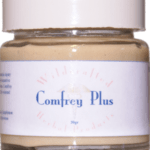
Wildcrafted's Comfrey Plus Cream

Wildcrafted's Comfrey Plus Cream

Treats traumatic injury to nerves, joints, bone, muscles and more

Read more...

Skin Care - It's a Cover Up

by Susan & Danny Siegenthaler

For many years now we have seen a move away from skin care products that contain chemicals which are potentially harmful to the skin. Consumers have begun to demand natural skin care products. That is, they demand products, that instead of containing potentially harmful, synthetic and/or artificial ingredients contain natural ones. This is a step in the right direction, but it is not the whole story.
 
Natural skin care is by definition the use of natural ingredients such as herbs, essential oils and various extracts and nutrients from fruits and/or vegetables that treat the skin. Skin care after all is not about plumping up of the skin or temporarily removing fine lines and wrinkles, skin care is far more than that.
 
Real skin care is about maintaining or regaining healthy skin by use of natural ingredients that facilitate and promote the normal functions of the skin. If the skin needs particular attention, because one of its functions is compromised, herbal extracts and other natural substances can be used to specifically target that issue. Herbs are healing substances that have been used for thousands of years to re-establish health and many of these herbs have specific therapeutic functions on the skin.

It's a Cover UpThe Skin is an organ and just like any other organ in our body, it too requires regular attention and maintenance. After all, we drink water to help our Kidneys function properly, we eat bran and other fibre containing foods to help maintain healthy bowl function and so on. However, when it comes to our skin we often use products that simply mask dis-function rather than addressing the underlying problem.

Natural skin care products, or if you prefer, herbal skin care products, that contain therapeutic doses of herbs, essential oils and other nutrients, are like eating bran and grains to maintain our digestive system, but they are formulated to work on maintaining the normal functions of the skin.

Unfortunately, this is not the attitude of the cosmetics industry. The fact that products are being made with one or two natural ingredients (together with all the other synthetic and artificial ones) and then are advertised to contain natural ingredients is merely a marketing ploy by these companies. They are not interested in healing the skin, far from it; they want you to continue using their products to cover up the symptoms of a stressed skin that is in need of actual treatment.

Think about it. What is more profitable, treating the underlying cause of a problem and thus fixing it, or treating the symptoms by continually applying products to cover the problem… I’m sure shareholders of large cosmetic companies don’t want to see problems solved… But then again, I could be wrong…

Therapeutic herbal skin care is about addressing weaknesses or problems of the skin and addressing these in specific ways through the use of specific herbs and/or essential oils; and once normal skin function has been established, herbal skin care products can then be used to maintain optimal functioning of the skin. The aim of therapeutically formulated herbal skin care products is not to mask symptoms of skin problems, but to fix them.

For example, Lavender is well known for its wound healing, antiseptic and toning properties. It has the ability to remove redness and heat from the skin, making it an ideal choice for soothing and repairing an irritated or hypersensitive skin. Although it is not really an anti-inflammatory as such, Lavender is often useful where there is inflammation, hence its use in burns, dermatitis, eczema, psoriasis, boils, rheumatism, wounds, ulcers, and so on.

From a natural medicine point of view, treatment of any health problem needs to be viewed from the first principle; that is the cause of the problem, not the effect. Thus, therapeutic herbal skin care products are formulated to target the cause of the skin problem not the result of it. This approach may take longer for the person to see the effects, but these will be more permanent and ultimately easier to maintain.

When products merely aim to mask symptoms, they actually never address the underlying cause and therefore the problem gradually gets worse. At some point, the problem will be irreversible and the masking of the symptoms no longer possible. This is when the whole deck of cards falls in a heap and serious skin problems become apparent and almost impossible to trea

A Holistic Healthcare Approach: Cutting Through the Noise in Modern Wellness

by Danny Siegenthaler

In today’s world, health advice is everywhere. Scroll through social media, read the latest headlines, or speak to different practitioners, and you’ll often hear completely conflicting messages about what it means to be “healthy.” One moment it’s about optimising every aspect of your biology with supplements and data tracking, the next it’s about stripping everything back to basics. For many people, this creates more confusion than clarity.

At Kurrajong Natural Medicine Centre, we take a different approach. Our approach is grounded in traditional wisdom, guided by clinical experience, and focused on what truly matters for your individual health. Rather than adding to the noise. Our goal is to help you make sense of it all.

Why Modern Wellness Feels So Overwhelming

The current wellness landscape is fast moving and often driven by trends and fads. New diets, therapies, and “must-have” supplements appear constantly, each promising better energy, improved immunity, or longer life. While some of these approaches have merit, many are taken out of context or applied too broadly, or simply just false.

What’s often missing is a deeper question: Is this right for you?

Without considering your individual constitution, lifestyle, stress levels, and underlying patterns of health, even the most popular strategies can fall short. This is where many people begin to feel stuck; trying multiple approaches without lasting results.

Returning to a Holistic Healthcare Approach


A holistic healthcare approach shifts the focus away from isolated symptoms and toward the bigger picture of your health. It recognises that the body is an interconnected system, where digestion, sleep, emotional wellbeing, and energy are all closely linked.

In both Traditional Chinese Medicine (TCM) and naturopathy, symptoms are not seen as random or disconnected. Instead, they are understood as part of a broader pattern. By identifying and addressing this pattern, treatment becomes more targeted, more personalised, and ultimately more effective.

This approach also values prevention. Rather than waiting for illness to fully develop, it aims to identify subtle imbalances early and support the body before more significant issues arise.

The Value of Traditional Wisdom in a Modern World


Traditional systems of medicine have evolved over thousands of years through careful observation and clinical practice. In TCM, for example, concepts such as balance, flow, and organ relationships provide a framework for understanding health in a way that remains highly relevant today.

These principles offer something that modern wellness trends often lack: consistency and depth.

Instead of chasing the latest idea, traditional medicine asks:

  • Is the body in balance?

  • Is energy being supported or depleted?

  • Are we working with the body’s natural rhythms, or against them?

By returning to these foundational questions, it becomes much easier to cut through confusion and focus on what truly supports long-term health.

The Value of Traditional Wisdom in a Modern World


Traditional systems of medicine have evolved over thousands of years through careful observation and clinical practice. In TCM, for example, concepts such as balance, flow, and organ relationships provide a framework for understanding health in a way that remains highly relevant today.

These principles offer something that modern wellness trends often lack: consistency and depth.

Instead of chasing the latest idea, traditional medicine asks:

  • Is the body in balance?

  • Is energy being supported or depleted?

  • Are we working with the body’s natural rhythms, or against them?

By returning to these foundational questions, it becomes much easier to cut through confusion and focus on what truly supports long-term health.

Why Clinical Experience Matters


In an age where anyone can share health advice online, clinical experience has never been more important. Working with real patients reveals something that theory alone cannot: how complex and individual health truly is.

No two people present the same way, even if they share a diagnosis. What works well for one person may not work for another. This is why a personalised, clinically informed approach is so important.

At our clinic, treatment is not based on trends or generic protocols. It is based on careful assessment, ongoing observation, and an understanding of how your body responds over time. This allows for a level of precision and adaptability that is often missing in one-size-fits-all approaches.

Simplifying Health Without Oversimplifying the Body


One of the most powerful shifts we can offer patients is simplicity—but not in a way that ignores complexity.

Health does not need to be overwhelming. In many cases, meaningful improvements come from focusing on a few key areas:

  • Supporting digestion and nutrient absorption

  • Regulating the nervous system

  • Improving sleep quality

  • Reducing unnecessary strain on the body

When these foundations are addressed, the body is often able to rebalance itself more effectively.

This is a very different approach from trying to “optimise” everything at once. Instead, it is about doing the right things, at the right time, for the right person.

holistic healthcare approach, integrative medicine

A More Sustainable Way Forward


Perhaps the most important aspect of a holistic healthcare approach is that it is sustainable. It is not built on extremes, rigid rules, or constant change. Instead, it supports gradual, consistent progress that aligns with your lifestyle and capacity.

For many patients, this brings a sense of relief. Health becomes less about chasing the next solution and more about building a stable foundation over time.

Cutting Through the Noise Together


If you’ve ever felt overwhelmed by conflicting health advice or unsure which direction to take, you’re not alone. Navigating modern wellness can be challenging, but it doesn’t have to be.

By combining traditional knowledge with clinical experience, we aim to provide clear, grounded guidance that helps you move forward with confidence. Our role is not just to treat symptoms, but to help you understand your health in a deeper, more meaningful way.

What To Do


If you’re looking for a more personalised and considered approach to your health, we’re here to support you. Whether you’re dealing with a specific concern or simply want to feel more balanced and energised, a holistic healthcare approach can offer a clearer path forward.

You’re always welcome to reach out or book a consultation with our team at Kurrajong Natural Medicine Centre to begin that process.

Healing Herbs

by Susan & Danny Siegenthaler

So many of the best medicinal herbs are found in your kitchen. Peppermint, Chamomile, Giner, Garlic, Tumeric and so on. In this article we’ll focus on one of these to begin with…

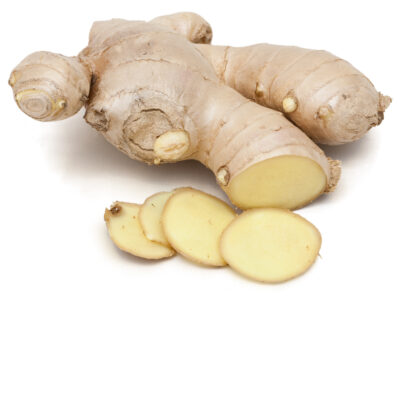
Ginger is an herb indigenous to southeastern Asia. It is cultivated in the U.S., India, China, West Indies and tropical regions.

Ginger is a creeping perennial on a thick tuberous rhizome. In the first year, a green, erect, reed-like stem about 60 cm high grows from this rhizome. The plant has narrow, lanceolate to linear-lanceolate leaves 15 to 30 cm long, which die off each year. The flower scape grows directly from the root and terminates in a long, curved spike. A white or yellow flower grows from each spike. 

Biological Name:

Zingiber officinale

Other Names:

Ginger; Ardrakam; Shunthi; Adrak; Sunth; black ginger; race ginger; African ginger; sheng jiang;

Parts Used:
Rhizome (root)
Ginger Tea

History:
Traditional Chinese medicine has recommended ginger for over 2,500 years. It is used for abdominal bloating, coughing, vomiting, diarrhea, and rheumatism. Ginger is commonly used in the Ayurvedic and Tibb systems of medicine for the treatment of inflammatory joint diseases, such as arthritis.

Remedies For:

For over 2,500 years, ginger has been an important herb in Asian medicine. Traditionally it has been used to promote cleansing of the body through perspiration, to calm nausea (

Action:
Aromatic, carminative, stimulant to the gastro- intestinal tract, diaphoretic, expectorant, antiemetic, and stomachic, also sialagogue and digestive; Externally, a local stimulant and rubefacient. 

Ginger is used for:

Atherosclerosis,
Heart disease
Chemotherapy support
Migraine headaches
Morning sickness
Motion sickness
Nausea and vomiting following surgery
Rheumatoid arthritis
Belching
Laryngitis
Vomiting
Constipation
Incontinence
Flatulence
Colic
Spasms
Fever
Eye diseases
Asthma
Colds

Cough

Ginger
Digestive System Actions:

Ginger is a classic tonic for the digestive tract. Classified as an aromatic bitter, it stimulates digestion. It also keeps the intestinal muscles toned. This action eases the transport of substances through the digestive tract, lessening irritation to the intestinal walls. Ginger may protect the stomach from the damaging effect of alcohol and non steroidal anti-inflammatory drugs (such as ibuprofen) and may help prevent ulcers.

Allergies and asthma:
Dried ginger can help in the management of allergies and asthma by offsetting the effect of the platelet-activating factor (PAP). PAP initiates inflammatory processes in allergy and asthma. It was found to become more active after changes in blood chemistry that occur in a high-fat diet.
 
Atherosclerosis and high cholesterol:
Arthritis,bursitis,fibrocysticbreasts,lymphedema,andpain.
Ginger inhibits the production of immune-system components called cytokines. These chemicals are believed to create a long-term tendency toward inflammation. Ginger also stimulates blood circulation. These effects of ginger are taken advantage of in treating a number of disorders marked by swelling and pain, such as arthritis. Studies have also shown that ginger can relieve pain without the side effects typically found when using nonsteroidal anti-inflammatory drugs (NSAIDs) and steroids.
 
Anti-nausea/Anti-vomiting Actions:
Research is inconclusive as to how ginger acts to alleviate nausea. Ginger may act directly on the gastrointestinal system or it may affect the part of the central nervous system that causes nausea. It may be that ginger exerts a dual effect in reducing nausea and vomiting.
 
Colds, influenza, and strep throat:

Shagaol [Shogaol (specifically-shogaol) is a highly pungent, bioactive phenolic compound produced when ginger is dried or cooked, transforming from gingerol. It is known for strong anti-inflammatory, antioxidant, and potential anticancer properties, particularly within 6-shogaol, which is frequently studied for neuroprotective and therapeutic effects.]

Parasiticinfection.
Ginger contains a chemical called zingibain that dissolves parasites and their eggs. In laboratory trials, ginger extracts have been shown to kill the anisakid worm (a parasite occasionally found in raw fish) within sixteen hours. Ginger tea is useful as a supplement in treating schistosomiasis, a parasitic disease.

Why Treating the Root Cause Matters More Than Ever

In today’s health landscape, many people are searching for more than just a quick fixes. While modern life offers an endless stream of symptom-relief solutions, from medications and supplements to trending wellness hacks, more people are beginning to ask a deeper question: Why is so…? or why is this happening in the first place?

We believe this question is one of the most important in healthcare.

Symptoms are important. They can be uncomfortable, disruptive, and sometimes alarming. But symptoms are often the body’s way of communicating that something deeper is out of balance. Headaches, digestive issues, fatigue, anxiety, hormonal changes, skin flare-ups, poor sleep, and chronic pain are rarely isolated events. They are often signs that the body is struggling to adapt, compensate, or heal.

This is where a root-cause approach becomes so valuable.

Rather than simply suppressing symptoms, Traditional Chinese Medicine, naturopathy, herbal medicine, and holistic healthcare aim to understand why symptoms are occurring. We look at the interconnected systems of the body: digestion, nervous system regulation, immune function, hormones, inflammation, sleep, stress, emotional wellbeing, and lifestyle factors to uncover the patterns contributing to illness or imbalance.

In many cases, symptoms that seem unrelated may actually originate from the same underlying issue. Chronic fatigue may connect to digestive dysfunction, chronic stress, poor sleep, nutrient depletion, or nervous system dysregulation. Skin conditions may reflect internal inflammation or gut health imbalances. Hormonal symptoms may be influenced by stress, liver function, metabolic health, or emotional wellbeing. When only the symptom is addressed, these deeper drivers may continue quietly in the background. Furthermore, only treating symptoms without addressing the underlying issues will end in unsatisfactory results for the patient. 

Mental Health image

The modern world places enormous strain on human health. Constant stimulation, chronic stress, poor sleep, processed foods, environmental toxins, sedentary lifestyles, and information overload all affect the body’s ability to maintain balance. At the same time, many people feel overwhelmed by conflicting health advice online. Wellness trends come and go rapidly, often promoting one-size-fits-all solutions that may not address the individual’s actual needs.

This is why grounded, personalised, clinically informed care matters more than ever.

A root-cause approach does not mean rejecting symptom relief. Helping patients feel better is always important. But sustainable health outcomes often require looking beyond temporary symptom relief and exploring the broader picture of health. When underlying imbalances are addressed, the body is often better able to regulate, repair, and function as it was designed to.

Traditional Chinese Medicine has always viewed health through this broader lens. In Chinese medicine, symptoms are not seen as isolated problems, but as part of larger patterns within the body. Treatment aims to restore harmony and support the body’s natural healing mechanisms. Similarly, naturopathy and Ayurvedic medicine focus on identifying and addressing contributing factors rather than merely managing the outward expression of illness.

For many people, this approach can feel empowering. Instead of feeling like they are constantly “chasing symptoms,” they begin to understand their body more clearly and participate more actively in their own health journey.

There is no universal shortcut to wellness. True healthcare is rarely about finding the latest trend or miracle solution. More often, it involves careful assessment, personalised treatment, consistency, and supporting the body over time.

At Kurrajong Natural Medicine Centre, our focus is on helping patients move beyond symptom management toward a deeper understanding of their health. Through acupuncture, Traditional Chinese Medicine, naturopathy, and herbal medicine, we aim to provide thoughtful, individualised care that supports long term wellbeing not just temporary relief.

Because now, more than ever, treating the root cause matters.

Did You Know?

Did You Know?

Did you know your foot has 26 bones in it?
Did you know the average human brain contains around 78% water?
Did you know a 1/4 of your bones are in your feet?
Did you know your tongue is the fastest healing part of your body?
Did you know a 1 minute kiss burns 26 calories?
Did you know you burn more calories sleeping than watching TV?
Did you know an average person will spend 25 years asleep?

Did You Know?

Did you know a group of frogs is called an army?
Did you know a group of rhinos is called a crash?
Did you know a group of kangaroos is called a mob?
Did you know a group of whales is called a pod?
Did you know a group of geese is called a gaggle?
Did you know a group of owls is called a parliament?
Did you know a group of chimpanzees is called a troop?

We hope you enjoyed our latest Edition of The Health & Wellness Magazine. We are always open to constructive feedback and ideas for future articles. If you have a particular topic you would like us to cover relating to yoga, alternative medicine, meditation, etc., please let us know and we will include it in an up coming Magazine

Namaste.

The information provided in this newsletter is for general informational and educational purposes only and does not constitute professional advice. While we strive to ensure all content is accurate and up to date, we make no representations or warranties of any kind, express or implied, about its completeness, reliability, or suitability. Any action you take based on the information found in this newsletter is strictly at your own risk, and we will not be liable for any losses or damages in connection with its use. This newsletter may contain links to external websites or affiliate links; however, we do not endorse or assume responsibility for the content or practices of these third-party sites. For specific legal, financial, or medical concerns, please consult with a qualified professional.

Kurrajong Natural Medicine Center will be closed from 24th Dec. 2023 to January 9th Inclusive.

We’d like to wish everyone a Merry Christmas and a Happy New Year.